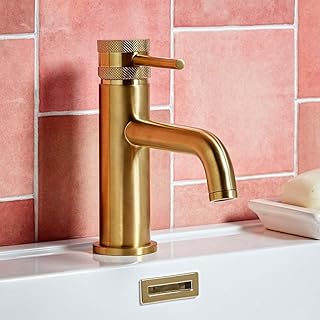
maintaining your sink taps for long lasting performance
Having well-maintained sink taps is essential for ensuring they continue to function effectively and efficiently. With proper care, your taps can last for many years while maintaining their aesthetic appeal and reliability. This guide will discuss several practical tips to help you care for your sink taps, preventing common issues and prolonging their lifespan.
Regular Cleaning
Keeping your sink taps clean is crucial for maintaining their performance and appearance. Regularly wipe down your taps with a soft cloth and warm soapy water to remove any build-up of grime or mineral deposits. Avoid using abrasive cleaners or scouring pads, as these can scratch the surface and damage the finish. For stubborn stains, a mixture of vinegar and water can be an effective natural cleaner, but be sure to rinse thoroughly afterwards.
Inspect for Leaks
Leaks are one of the most common issues faced by sink taps. Regularly inspect your taps for any signs of drips or water pooling around the base. If you notice a leak, it may be due to a worn washer or O-ring, which can often be replaced easily. Turn off the water supply, disassemble the tap as per the manufacturer's instructions, and replace the faulty parts. This simple maintenance can save you money on water bills and prevent further damage.
People Also Look For:
- Peppermint Basin Taps Matte Black Bathroom Taps Mono Single Lever Basin Mixer Tap Bathroom Sink Taps with Hot and Cold Hoses
- Peppermint Basin Taps with Waste and Waterfall Bath Taps Mixer Filler Tub Tap, Monobloc Bathroom Sink Taps Semi-Open Chrome Bathro...
- Kitchen Faucet High Arc 360° Swivel Kitchen Sink Faucet, Brass Hot and Cold Water Kitchen Mixer Tap with Single Handle, Polishe...
- Tall Bathroom Basin Mixer Tap, High Rise Bathroom Sink Tap for Countertop Basin, Single Lever Monobloc Faucet with High Spout, Mod...
- WOTZOV Pull Down Kitchen Faucet Matte Black, 360° Swivel Kitchen Sink Faucet with Pull Out Sprayer, Industrial Style Singl...
Check the Aerator
The aerator is the small screen located at the tip of your tap that helps to regulate the flow of water. Over time, this can become clogged with mineral deposits and debris, leading to reduced water flow. To clean the aerator, simply unscrew it from the tap, soak it in vinegar for several hours, and then scrub it gently with a soft brush. Rinse it thoroughly before reattaching. Performing this task regularly can help maintain optimal water pressure.
Monitor Water Pressure
Excessive water pressure can cause damage to your taps and plumbing over time. If you notice that your taps are making unusual noises or water is gushing out, it may indicate high water pressure. To check the pressure, you can use a pressure gauge attached to a tap. Ideal water pressure should be between 40 to 60 psi. If it is higher, consider installing a pressure-reducing valve to protect your fixtures.
Lubricate Moving Parts
For taps with moving parts, such as those with levers or handles, regular lubrication can help ensure smooth operation. Use a silicone-based lubricant to grease the joints and moving components. Avoid using petroleum-based lubricants, as these can break down rubber seals and O-rings over time. Lubricating your taps every six months will help prevent stiffness and prolong their lifespan.
Know When to Replace
Even with the best maintenance, there may come a time when your sink taps need to be replaced. Signs that it's time for a new tap include persistent leaks that cannot be fixed, rust or corrosion on the body, or if the tap is excessively difficult to operate. When choosing a replacement, consider the style and finish that complements your kitchen or bathroom decor, along with water efficiency ratings.
Professional Maintenance
While many maintenance tasks can be completed on your own, there may be instances where professional assistance is required. If you encounter issues beyond simple leaks or clogs, such as low water pressure that cannot be resolved, contact a qualified plumber. Regular professional inspections can identify potential problems before they escalate, ensuring your taps continue to function optimally.